Italian wellness retreats offer something special for UK travellers. They combine ancient thermal therapies, Mediterranean cuisine, and stunning landscapes. This mix creates the perfect setting for holistic health and recovery.
More British visitors are picking wellness holidays in Italy over other places. This is because of the unique blend of Tuscan hilltop spas and Alpine thermal springs. These retreats mix old healing traditions with new methods.
In this guide, we’ll show you the best places for rejuvenation in Italy. Whether you want to reduce stress, recover physically, or find spiritual peace, we’ve got advice. We aim to help you choose, plan, and enjoy your journey fully.
Our main goal is to give you actionable insights for a rewarding retreat. We’ll help you understand therapy options and find the perfect spot. We’re here to guide you every step of the way to wellness.
1. How to Identify Your Personal Wellness and Recovery Needs
Before diving into the amazing spa retreats Italy offers, take time to understand what you need. A thorough wellness assessment helps match your needs with the right retreat. This ensures your investment is worth it. Guests who know what they want before booking are happier and see lasting benefits.
It’s easy to get confused about what you need. Look at your physical, mental, and spiritual state honestly. Being clear helps avoid disappointment with the retreat’s focus.
Assessing Your Physical Health Goals
Your physical health needs are key when choosing health retreats in Italy. Start by assessing your body’s current state and what you aim to achieve. Different retreats focus on different physical health areas, so knowing your priorities helps narrow your choices.
If you’re recovering from illness or injury, look for retreats with medical support. Some Italian wellness centres offer medically supervised recovery programmes with daily monitoring by healthcare professionals. These are different from general relaxation retreats.
Managing chronic pain is another common goal. Italian thermal therapy, hydrotherapy, and special massages have long traditions in easing chronic pain naturally.
For weight management and metabolic health, look for retreats with nutritional and fitness expertise. Choose programmes with personalised meal plans, cooking classes, and activities that match your fitness level. Avoid quick fixes, as lasting change takes time.
Improving your fitness is also a goal for many. Italian retreats offer hiking, swimming, yoga, and strength training. Find activities you enjoy in a supportive environment.
Evaluating Mental and Emotional Well-being Requirements
Mental and emotional health needs are often harder to articulate than physical ones. Be honest about your psychological state and what support you need. A proper wellness assessment includes looking at stress levels, emotional patterns, and mental health concerns.
Burnout is common among UK professionals, marked by exhaustion and cynicism. Retreats that offer complete disconnection, restorative sleep, and stress-reduction techniques are essential. Structured downtime helps your nervous system recover.
Anxiety and depression need sensitive, qualified support. Some Italian retreats have trained therapists for counselling alongside meditation, breathwork, and nature immersion. Make sure practitioners are qualified and experienced with your concerns.
Restoration doesn’t always mean addressing diagnosed conditions. Sometimes, you just need space for reflection or creative renewal. Italian retreats with mindfulness, journaling, and silence meet these needs beautifully, allowing you to pause without needing to be productive.
- Identify specific stressors you need relief from
- Consider whether you prefer group support or individual therapy
- Determine if you need complete digital disconnection
- Assess whether creative expression would support your healing
- Reflect on past experiences that brought you emotional peace
Determining Your Spiritual Wellness Objectives
Spiritual wellness means different things to different people. Being clear about your objectives helps avoid confusion when researching spa retreats in Italy. Some guests seek religious environments, while others prefer secular approaches.
Meditation and contemplative practices are at the heart of many wellness programmes. Beginners often need structured instruction and patient teachers. Advanced practitioners might prefer silent meditation intensives or specific traditions like Vipassana or Zen.
Connecting with nature is a spiritual goal for many. Italian landscapes offer incredible beauty for this purpose. Retreats with forest bathing, outdoor meditation, and nature-based mindfulness serve those seeking spiritual nourishment through nature.
Philosophical exploration and self-understanding appeal to intellectually curious guests. Some retreats offer workshops on meaning, mortality, and authenticity. Consider whether you prefer Eastern or Western philosophical traditions.
Personal transformation is a broad spiritual objective. It’s about returning home changed, with fresh perspectives. Be specific about what aspects of yourself you wish to transform. Vague aspirations rarely yield satisfying results.
Identifying your wellness and recovery needs helps you choose the right health retreats in Italy. Write down your top three objectives in each category—physical, mental, and spiritual. This clarity helps you assess whether specific retreats can meet your needs. Thoughtful preparation increases the chance of a transformative experience that benefits you long after you return home.
2. Step-by-Step Guide to Researching Italian Wellness Retreats
Finding the perfect Italian wellness retreat starts with thorough wellness research. This helps you separate real experiences from just marketing. With so many options in Italy, it can be hard to find the right detox retreats for real recovery and relaxation.
Using a structured research method protects your money and helps you find retreats that meet your wellness goals. The internet has many tools for checking out retreats, but you need to know how to use them well.
Finding Reliable Information Through WordPress-Based Wellness Platforms
Many top wellness centres have WordPress-based websites full of useful info. These sites share details about their treatments, facilities, and the qualifications of their staff. They help you see if a retreat fits your needs.
WordPress sites are easy to navigate, making it simple to find important info. They also let centres update their content often. This means you can see new testimonials, seasonal programmes, and staff profiles.
If you’re documenting your wellness journey or creating a content platform, WordPress design and redesign services are great. They make your site look good and work well. This is what today’s travellers expect when looking for health and wellness options.
Good WordPress maintenance keeps your site running smoothly. It includes regular security updates, making your site faster and more reliable. Fast loading speeds and consistent uptime are key for a good user experience during your research.
Optimising Your Search with Professional SEO Tools
Professional SEO for WordPress helps wellness centres get found by people looking for specific treatments or experiences. Knowing how SEO works lets you find retreats that really match your wellness goals.
Using advanced search techniques can help you find what you’re looking for. Try searching for things like “thermal spa Tuscany detoxification” or “meditation retreat Lake Como mindfulness programmes.”
Here are some tips to improve your wellness research:
- Use quotation marks around exact phrases to find precise matches for specific treatments or certifications
- Add location qualifiers to narrow results to particular Italian regions that interest you
- Combine multiple search terms using “AND” to find retreats that offer more than one therapy
- Exclude irrelevant results by using the minus sign before terms you want to avoid
- Search within specific timeframes to find recent reviews and current programme information
These tips help you find real detox retreats Italy offers. They help you avoid generic travel sites that don’t know much about wellness.
Analysing Guest Reviews and Testimonials Critically
Guest testimonials give valuable insights into what a retreat is really like. But, you need to think critically about retreat reviews. Not all feedback is equal, and it’s important to tell real experiences from promotional content.
Look for reviews that talk about specific treatments, staff, accommodation, and results. Real testimonials usually mention these details. They show what you can expect from your stay.
It’s better to look at patterns in retreat reviews than just one opinion. Consistent feedback about treatment, staff, food, and facilities shows what’s reliable.
Here’s how to evaluate reviews:
- Specificity: Does the review give concrete details about programmes, facilities, and outcomes?
- Balance: Does the reviewer mention both good and bad points?
- Relevance: Does the reviewer’s wellness goals match yours?
- Recency: Is the feedback recent, considering changes in programmes and staff?
- Verification: Can you confirm the reviewer actually went to the retreat?
Be careful of reviews that seem too good to be true, lack details, or sound the same as others. Real retreat reviews reflect personal experiences with their own language.
Verifying Retreat Credentials and Certifications
Legitimate wellness centres proudly show their professional credentials and certifications. It’s wise to make a checklist before booking.
Check the qualifications of the lead practitioners and staff. Look for recognised certifications, medical licenses, and proof of ongoing learning.
Here are some important credentials to verify:
| Credential Type | What to Verify | Why It Matters |
|---|---|---|
| Health & Safety Compliance | Current certifications, hygiene standards, emergency protocols | Ensures your physical safety during treatments |
| Professional Affiliations | Membership in recognised wellness organisations | Shows they follow industry standards and ethics |
| Insurance Coverage | Liability insurance, treatment guarantees, cancellation policies | Protects your money and wellbeing |
| Practitioner Qualifications | Therapeutic certifications, medical credentials, specialised training | Confirms their expertise in advertised treatments |
If credentials aren’t clear on the website, ask the retreat for them. Good centres will answer quickly and openly.
See if the retreat is a member of groups like the International Spa Association or the European Wellness Federation. Being part of these shows they care about professional standards.
This careful approach to wellness research ensures you spend your money on real, high-quality experiences. Taking your time to research helps avoid disappointment and makes your Italian wellness journey more rewarding.
3. How to Set a Realistic Budget for Your Wellness Retreat
Setting a budget early in your planning removes financial worries. It lets you fully enjoy your wellness Italy trip. Knowing all costs helps you make choices that fit your goals and budget.
Retreat costs vary a lot. This depends on where you go, how long you stay, what you stay in, and how many treatments you get. By breaking down costs, you can find the best value in wellness packages Italy.
Breaking Down All-Inclusive Package Costs
Many wellness packages in Italy say they are “all-inclusive.” But what they include can differ a lot. Always ask for a detailed breakdown before booking.
All-inclusive packages usually include your stay, meals, wellness checks, treatments, fitness access, and group activities. Premium packages might add private consultations, medical checks, and unlimited spa access.
| Package Component | Standard Package | Premium Package | Luxury Wellness Italy |
|---|---|---|---|
| Accommodation | Shared or standard room | Private room with garden view | Suite with private terrace |
| Daily Treatments | 1-2 group sessions | 2-3 individual treatments | Unlimited personalized therapies |
| Specialist Consultations | Initial assessment only | Mid-stay follow-up included | Daily practitioner access |
| Meals | Buffet-style dining | Table service with options | Bespoke nutritional menus |
| Activities | Group classes only | Mix of group and private | Fully customized programme |
Standard packages in Italy cost between £1,200 and £2,500 for a week. Premium options are £2,500 to £4,500. Luxury experiences can be over £5,000 for seven days. Knowing these prices helps you choose without overspending.
Calculating Additional Expenses for UK Travellers
UK travellers need to think about extra costs. These can add up and affect your budget. It’s important to plan for these to avoid financial stress.
Flights from the UK to Italy cost between £150 and £400. Getting to your retreat can add another £50 to £200, depending on how you travel.
Travel insurance is a must. It costs £40 to £80 for a week. It should cover medical, trip cancellation, and any pre-existing conditions.
Other things to consider include:
- Gratuities for staff and practitioners: Budget about 10% of your package cost
- Additional treatments: Save £100-300 for treatments not in your package
- Personal expenses: Shopping and outings might cost £150-400
- Currency exchange fees: Bank cards may charge 2-3% on transactions
When planning your budget, add 30-40% to the package price for extra costs. This way, you won’t run out of money during your trip.
Using Payment Processing Services for International Transactions
Booking international wellness retreats requires careful payment planning. Many UK travellers lose money to bad exchange rates and hidden fees.
Most Italian wellness centres accept credit cards, bank transfers, or special payment platforms. Choosing the right payment method can save you hundreds of pounds and protect your money from fraud.
Bank transfers can cost £15-35 per transaction, plus 3-5% in exchange rate margins. Credit cards charge 2.5-3% in foreign transaction fees, but some premium cards don’t.
Secure Financial Services Through LerriHost (07538341308)
LerriHost offers secure and affordable payment solutions for wellness packages Italy. By calling 07538341308, you can find services with good exchange rates, clear fees, and strong fraud protection.
These services help you safely pay for your retreat. They offer clear documentation and customer protection. This makes you worry less about payment security and could save you money compared to banks.
Set up your payment method four to six weeks before you go. This gives time for international transfers to clear and ensures all financial plans are in place. Good financial planning makes your retreat a worry-free experience focused on recovery and rejuvenation.
4. Choosing the Ideal Italian Region for Your Wellness Goals
Italy’s regions offer different landscapes and wellness options. Each area has its own natural resources and healing traditions. The right place can help your wellness journey in unique ways.
Climate, travel ease from the UK, and cultural feel vary across Italy. Match these factors with your wellness needs for the best recovery. This approach makes your environment support your healing goals.
Thermal Springs and Vineyard Vistas
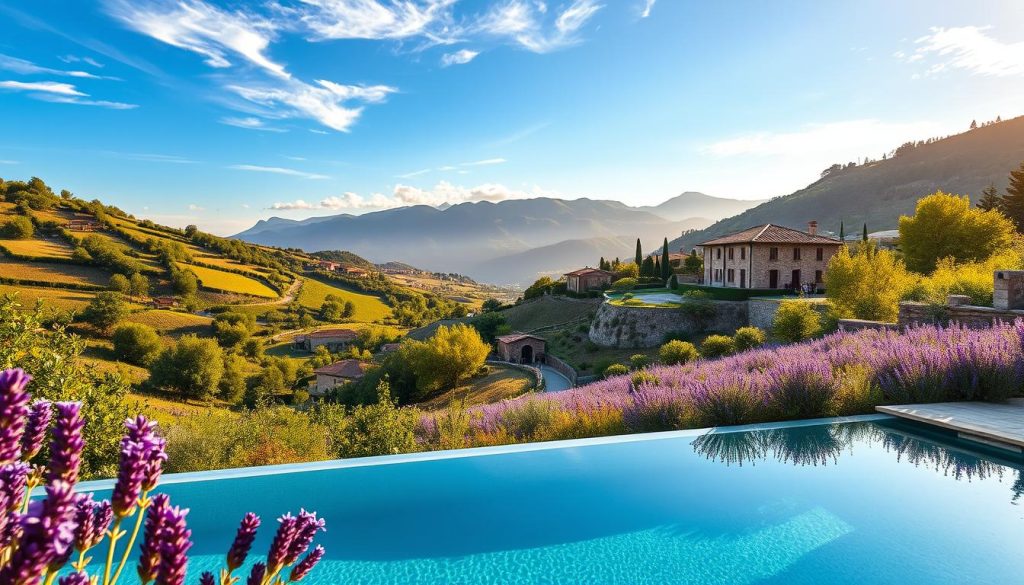
Tuscany is a top wellness destination Italy offers. It’s known for natural thermal therapy and peaceful views. Hot springs like Saturnia and Montecatini Terme are famous for their healing waters.
The waters in Tuscan thermal spas Italy have minerals like sulphur and magnesium. These minerals help with joint pain, improve circulation, and treat skin issues. Guests with arthritis, muscle tension, or stress find these springs helpful.
Tuscany’s vineyards offer visual and mindful benefits. The scenery encourages slow walks and meditation. Wellness retreats here offer wine therapy and healthy food, following Mediterranean wellness.
Alpine Serenity and Luxury Wellness
Lake Como offers Italian spa treatments with alpine beauty and luxury. The lake’s clean air is great for health. It’s perfect for those seeking top wellness experiences.
Lake Como is known for luxury wellness centres. Treatments include aquatic physiotherapy and cold-water therapy. Mountain trails offer hiking for active recovery.
Lake Como is great for those who want luxury and wellness. Its five-star hotels offer personal treatments. It’s easy to get to from Milan’s airports, making it ideal for short trips.
Mediterranean Healing and Sea Therapy
The Amalfi Coast focuses on sea therapy and coastal benefits. The seawater is rich in minerals, good for health. It’s excellent for respiratory issues, skin problems, and metabolism.
The coastline’s beauty helps with mental health. Sunshine and sea air reduce stress. Retreats offer outdoor yoga and meditation.
The Amalfi Coast is best for mental health, thyroid support, and creativity. Its food and herbs support anti-inflammatory diets. But, summer can be busy, affecting tranquility.
Quiet Countryside Restoration
Umbria is Italy’s “green heart,” perfect for quiet wellness. It has medieval towns and forests. It’s great for digital detox and contemplation.
Umbria’s retreats are in old farmhouses or monasteries. They focus on silence, meditation, and nature. It’s ideal for burnout recovery and spiritual growth.
Umbria is more affordable than Tuscany or Lake Como. It’s a bit harder to get to, but its calm makes it worth it. Spring and autumn are the best times to visit.
| Region | Primary Wellness Benefits | Ideal For | Accessibility from UK |
|---|---|---|---|
| Tuscany | Thermal therapy, joint health, visual restoration | Physical recovery, stress relief, couples | Florence/Pisa airports (2.5 hours flight) |
| Lake Como | Alpine air, luxury treatments, active recovery | Respiratory health, cardiovascular fitness, premium experiences | Milan airports (2 hours flight) |
| Amalfi Coast | Sea therapy, vitamin D, Mediterranean diet | Mental health, thyroid support, creative renewal | Naples airport (2.5 hours flight) |
| Umbria | Digital detox, contemplation, nature immersion | Burnout recovery, spiritual wellness, budget-conscious | Rome/Perugia airports (2.5 hours flight + transfer) |
Choose a region based on your wellness needs and the assessment phase. Consider the season, as each area has its best times. The right place will feel like home, boosting your healing journey.
5. How to Select the Right Type of Wellness Programme
Italian wellness retreats offer a wide range of programmes. Each one is designed to help with physical, mental, and spiritual health. The type of programme you choose will affect your daily activities, the treatments you receive, and the results you get.
It’s important to understand the differences between programme types. This helps avoid mismatched expectations and ensures your investment is worth it. Some programmes need medical supervision, while others focus on self-guided practices and mindfulness.
Choosing a programme that matches your health status, fitness level, and recovery goals is key to getting the most out of your experience.
Medical Detoxification and Nutritional Healing Retreats
Medical detox programmes offer supervised cleansing under the care of healthcare professionals. They combine therapeutic nutrition with functional medicine. These retreats include health assessments, blood work, and personalised diets for digestive issues or chronic inflammation.
Nutritional healing retreats focus on food as medicine. They use organic, locally sourced Mediterranean ingredients. You’ll learn about cooking, nutrition, and meal planning. These programmes are great for those with health conditions, looking to manage weight, or needing professional guidance.
Expect daily talks with nutritionists and doctors who adjust your plan based on your body’s response. Many centres offer treatments like colon hydrotherapy and liver support.
Yoga, Meditation, and Mindfulness Programmes
Yoga retreats in Italy offer a variety of styles, from gentle Hatha to intense Vinyasa flow. Many focus on specific styles like Kundalini or Iyengar. Daily sessions include morning and evening yoga, with workshops on yoga philosophy and breathwork.
Meditation retreats in Italy cover different traditions, from silent Vipassana to secular mindfulness. They teach concentration and body scanning. Silent retreats offer deep reflection away from daily distractions.
Mindfulness programmes combine meditation with daily activities. You’ll learn to be present in everyday life. Many retreats include walks in the Italian countryside and group discussions.
These programmes are for those dealing with stress, seeking emotional healing, or wanting mental quiet. Intensity varies from weekend courses to month-long trainings.
Thermal Spa and Traditional Italian Wellness Therapies
Italy’s thermal wellness heritage is ancient, with natural hot springs and mineral-rich waters. Balneotherapy treatments use these waters for relaxation and health benefits. Different sources have different minerals for various health needs.
Fangotherapy uses heated mud for treatments, addressing arthritis and skin issues. It’s a 12-15 session programme over two weeks for best results.
Thalassotherapy uses seawater and marine algae for therapy, common along Italy’s coast. It includes seawater baths and coastal walks. Italy also offers grapeseed and olive oil therapies, along with herbal medicine.
Thermal spa programmes are for those with chronic pain, mobility issues, or skin concerns. They’re gentle and suitable for older guests or those recovering from injuries.
Active Recovery and Fitness-Focused Retreats
Active recovery programmes mix fitness training with therapeutic recovery. They’re perfect for athletes or those rebuilding strength. Daily activities include hiking, cycling, and swimming. Strength training and Pilates improve endurance and balance.
These retreats also offer sports massage and mobility training. Nutritional support helps with athletic performance. Many offer personal training and fitness assessments.
Active retreats are for those looking for fitness breakthroughs or training for events. Intensity varies, from moderate for reasonably fit individuals to intense for serious athletes.
| Programme Type | Primary Focus | Ideal Candidate | Typical Duration |
|---|---|---|---|
| Medical Detoxification | Supervised cleansing and nutritional healing | Those with specific health conditions or requiring structured protocols | 7-14 days |
| Yoga and Meditation | Mind-body practices and contemplative traditions | Stress management, emotional healing, spiritual development | 3-21 days |
| Thermal Spa Therapies | Traditional Italian wellness using natural thermal resources | Chronic pain, mobility issues, gentle passive therapies | 7-14 days |
| Active Recovery | Fitness training combined with recovery modalities | Athletic individuals or those rebuilding fitness capacity | 5-10 days |
Your programme choice should match your wellness needs. Many retreats combine different modalities, like yoga, thermal treatments, and meditation. This holistic approach covers physical, mental, and spiritual health.
It’s best to talk to retreat centres about your needs before booking. They can ensure their programmes fit your goals and any health considerations.
6. Evaluating Accommodation Options That Enhance Recovery
Where you stay during your Italian wellness retreat is key to your recovery. The right retreat accommodation is your healing sanctuary. It’s important to understand how your living space affects your healing journey.
Good rest is the base for all healing. Your accommodation needs to be peaceful for deep healing. The design, amenities, and location all affect how well you can follow your wellness plan.
Comparing Boutique Wellness Hotels with Dedicated Centres
Choosing between boutique wellness hotels Italy and dedicated wellness centres is a big decision. Each option has its own benefits for your recovery goals.
Boutique wellness hotels mix therapy with luxury. They offer top-notch amenities and wellness programmes. You get personal care in elegant settings, feeling like a luxury holiday.
Boutique hotels are great for a full experience. They often have:
- Gourmet wellness food made by expert chefs
- Concierge services for outings and cultural activities
- Beautiful common areas for socialising
- Luxury rooms and spa facilities
- Flexible schedules to fit your needs
Dedicated wellness centres focus on treatment over hotel perks. They aim for healing above all. The atmosphere is structured for your recovery.
Dedicated centres are good for deep recovery work:
- They have special medical and therapy equipment
- Staff are trained in wellness and rehab
- They have set schedules for treatments
- Less distraction from fun activities
- A community of people with similar wellness goals
Your choice depends on what you value more. Boutique hotels are for balanced wellness. Dedicated centres are for focused medical treatment.
Assessing Room Features for Optimal Rest and Relaxation
The quality of your room affects your sleep and relaxation. Look for features that help you recover better.
Mattress quality and bedding are key for rest. Choose natural materials and the right firmness. Many hotels have special mattresses for spinal support.
Good blackout curtains help you sleep well. Your room should block out all light. This is important for adjusting to new time zones or sleep schedules.
Soundproofing keeps your sleep undisturbed. Look for rooms with double-glazed windows and solid doors. Some hotels have white noise machines or soundproofing.
Air quality and ventilation are important for rest. Your room should have:
- Windows that open for fresh air
- Air purifiers if windows can’t open
- Humidity control in coastal or lake areas
- No synthetic fragrances or chemicals
Temperature control lets you sleep comfortably. Having your own thermostat is key, as Italian weather changes a lot.
Natural light in the day helps your body clock. Rooms should get lots of daylight but also keep your privacy. Views of nature are also good for your mind.
Simple design helps you relax. The best places are clean and simple, without losing comfort. This helps you think and recover better.
Checking Access to Treatment and Therapy Facilities
Being close to wellness facilities helps you stick to your programme. The distance between your room and treatment areas is important.
Internal connectivity is great for early morning or evening treatments. Make sure therapy rooms are nearby or have easy access. Covered walkways or indoor corridors are best for bad weather.
Having hydrotherapy facilities available is a big plus. Check if pools, saunas, or baths are open when you want. Using them in the morning or before bed can help more.
Quiet spaces for meditation and thinking should be easy to get to. Look for:
- Indoor meditation halls with natural light
- Libraries or quiet rooms for reflection
- Yoga studios for personal practice
- Spaces for prayer or spiritual thinking
Outdoor areas for walking extend your wellness space. Gardens, trails, or views are great for gentle exercise and fresh air. Choose places with easy access to nature.
The layout of treatment areas is also important. Easy access to dining and social areas helps you stay energised. Good wellness hotels make it easy to move around without getting tired.
Being close to fitness areas is important if you’re doing active recovery. Gyms, pools, or studios should be easy to get to. But not so close that noise bothers you.
7. How to Verify Wellness Practitioner Qualifications and Expertise
Before you start any wellness programme, it’s important to check the qualifications of the therapists. The quality of your recovery depends on the skills of the people treating you. In Italy, you’ll find therapists with different backgrounds, from doctors to holistic experts, each with their own standards.
Checking qualifications helps avoid bad treatments and makes sure you get real health benefits. Always check a therapist’s credentials before booking, more so for specific health concerns.
Researching Credentials and Professional Background
Italian healthcare and wellness follow different rules than the UK. Knowing this helps you understand what qualifications mean.
Doctors at wellness centres have degrees from Italian universities and register with local medical councils. Physiotherapists, nutritionists, and psychologists also register with their governing bodies.
Here’s what to ask retreat coordinators:
- Educational qualifications: Degree institutions, specialisations, and years of study
- Professional registrations: Current membership with Italian regulatory bodies
- Continuing education: Recent training courses and certifications
- Years of practice: Experience in wellness retreats
- Specialised expertise: Additional qualifications in specific therapies
Many therapists have profiles on retreat websites or professional networks. Look up their names and specialisation to verify their credentials and read client feedback.
Understanding Different Therapeutic Approaches and Philosophies
Wellness professionals in Italy use different approaches. Knowing these helps you choose the right therapist for your needs.
Common approaches include:
| Therapeutic Approach | Foundation Principles | Typical Practitioner Background |
|---|---|---|
| Evidence-Based Medical | Scientific research, clinical trials, measurable outcomes | Medical doctors, clinical psychologists, registered dietitians |
| Integrative Medicine | Combines conventional medicine with complementary therapies | Physicians with additional training in holistic modalities |
| Traditional Naturopathy | Natural remedies, lifestyle modifications, body’s self-healing | Naturopathic doctors, herbalists, natural health consultants |
| Energy-Based Practices | Subtle energy systems, meridians, chakras | Reiki masters, acupuncturists, energy healers |
Ask retreat coordinators about the basis of treatments. Good practitioners explain their methods clearly and back them up with research.
Request video calls with main therapists before booking. This helps you see if you’ll get along with them.
Ensuring English-Speaking Staff for UK Guests
Language is key, more so for psychological counselling and detailed health talks. While many Italian therapists speak English, not all are fluent.
Language barriers can affect your experience. They might lead to wrong treatments or limit the effectiveness of therapy. They can also cause confusion about treatment plans.
To check English skills, try these methods:
- Request English-language biographies: Written materials show vocabulary and clarity
- Arrange preliminary phone or video calls: Direct conversation shows conversational fluency
- Enquire about interpreter services: Some places offer translation for medical talks
- Ask about staff training: Places for international guests often require English certification
- Read reviews from UK guests: Previous visitors share their language experiences
For programmes like psychological wellness or detox, fluent English is a must. Good communication is essential for these deep programmes.
Keep all information about practitioner qualifications safe. This is useful if you have questions during your stay. Knowing about language and therapy approaches before you go makes your journey smoother.
8. Planning and Booking Your Wellness Italy Experience
Turning your dream of wellness travel in Italy into reality needs careful planning. You must consider the best time to go, how to get there, and where to book. This guide helps you make the right choices for your wellness goals and needs.
Booking a retreat is more than just picking dates and paying. You need to think about the season, how to get there, and use safe booking sites. This ensures your personal and financial details are protected.
Selecting the Optimal Season for Your Retreat
The time you choose for your Italian wellness trip affects your experience and cost. Each season has its own benefits for different wellness needs and budgets.
Spring months from April through May are perfect for most wellness activities. The weather is mild, ideal for outdoor yoga and walks. Plus, there are fewer tourists, so you get more personal attention.
Summer season spanning June to August brings lots of sunshine and longer days. But, it can get very hot in the south, limiting some activities. Summer is the busiest time, so expect higher prices and more competition for spots.
Autumn months of September and October offer a great balance. You can enjoy fresh food and good weather. Prices are often lower, making it a good time to visit.
Winter season from November through March is best for spa treatments and indoor activities. Prices drop by 20-35%, making it cheaper. It’s perfect for those who prefer indoor activities over outdoor ones.
Arranging Flights and Ground Transport from the UK
Start by finding the best flights from your UK airport. Heathrow, Gatwick, Manchester, and Edinburgh have direct flights to Italy.
Think about these transport points:
- Direct versus connecting flights: Direct flights save time and reduce fatigue. But, connecting flights might be cheaper
- Airport proximity to retreat location: Some places have multiple airports. For example, Tuscany can be reached from Florence, Pisa, or Bologna
- Ground transport arrangements: Many retreats offer private transfers from airports, making arrival easy
- Rental vehicle considerations: Renting a car gives freedom. But, many retreats prefer you not to drive to keep the atmosphere peaceful
- Rail connections: Italy’s trains are scenic and easy, perfect for some retreat locations
Book your transport early. Good wellness centres often include airport transfers in their packages. Others might charge extra. Knowing this early avoids last-minute problems.
Managing Booking Processes Through Secure Platforms
Keep your financial and personal info safe by using secure booking sites. Reputable retreats use strong digital security to protect your data.
Look for these security features:
- SSL certificate presence: Websites should start with “https://” to show they’re secure
- Recognised payment processors: Good retreats use trusted services like Stripe or PayPal
- Clear cancellation policies: Clear terms show they’re professional
- Data protection compliance: UK travellers should check if retreats follow GDPR
- Documented booking confirmations: Good sites send detailed emails with your itinerary
Understanding deposits and payment schedules helps budget. Most retreats ask for 25-50% deposits upfront. Make sure to buy travel insurance that covers cancellations and emergencies.
WordPress Web Hosting Solutions for Retreat Research and Booking
Many Italian wellness retreats use WordPress for their booking sites. WordPress is secure and easy to use. Good WordPress Web Hosting keeps these sites running smoothly.
For those documenting their journey or comparing retreats, WordPress is great. It helps you organise your research and compare retreats easily.
Even if you’re not tech-savvy, WordPress is easy to use. It lets you create detailed comparison tools. This makes choosing the right retreat easier.
Retreats with good WordPress sites usually offer better service. Fast, easy-to-use sites show they care about details. This is what you can expect during your stay.
The booking process is your first contact with the retreat. Good communication and clear info show their service quality. Ask lots of questions before booking to ensure it’s right for you.
9. How to Prepare Your Mind and Body Before Departure
We believe that thorough retreat preparation is key to meaningful transformation during your wellness retreat in Italy. The weeks before your trip are great for getting your body ready and setting your intentions. This ensures you can dive into the retreat fully, without wasting time adjusting.
Starting your preparations three to four weeks before travel is wise. It gives you time to do assessments, adjust your habits, and pack without stress.
Completing Pre-Retreat Health Questionnaires and Assessments
Most Italian wellness centres send health questionnaires before you arrive. These help practitioners tailor treatments to your needs and keep you safe.
The questionnaire will ask about your medical history, current medications, and any allergies. It’s important to answer honestly, as this information helps practitioners plan your care.
Some retreats might ask for recent health checks or medical clearances. Make sure to schedule these well in advance, as UK healthcare can take weeks to process requests.
Wellness centres often suggest lifestyle changes before you arrive. They might ask you to cut down on caffeine, stop drinking alcohol, drink more water, and eat less processed food. These changes help your body get ready for the retreat and reduce detox discomfort.
Packing Smart for Italian Wellness Travel
Packing for your Italian wellness trip is different from regular holidays. Focus on comfort, versatility, and items that support your health goals, not fashion.
Bring comfortable layers for changing temperatures. Italian retreats can get hot or cold, so pack clothes that can be layered. Light cardigans or wraps are good for indoor areas.
Choose modest, comfortable clothes for spa areas and thermal treatments. Many places follow traditional modesty standards. Include athletic wear for activities like yoga and hiking, making sure it’s breathable and allows for movement.
| Category | Essential Items | Quantity Recommended | Special Considerations |
|---|---|---|---|
| Spa & Treatment Wear | Swimsuit, robe, slip-on sandals | 2 swimsuits, 1 robe | Quick-drying fabrics; modest styles for mixed facilities |
| Active Wear | Yoga clothes, trainers, hiking shoes | 3-4 outfits | Breathable materials; supportive footwear for varied terrain |
| Casual Comfort | Loose trousers, cotton tops, layers | 5-7 day outfits | Natural fibres preferred; avoid restrictive clothing |
| Personal Care | Medications, toiletries, journal | As needed | Bring prescriptions with documentation; natural products if sensitive |
Pack any prescribed medications in their original containers with clear labels. A letter from your GP explaining their use is also helpful. It proves you need them and helps practitioners understand your health fully.
Use natural toiletries if you’re sensitive, but many centres provide organic products. Bring a journal and reading materials for reflection and learning. Try to limit electronics to embrace digital wellness during your stay.
Comfortable walking shoes are essential, as many retreats involve nature walks and outdoor activities. Choose shoes that are supportive and suitable for uneven terrain.
Setting Clear Intentions and Measurable Wellness Goals
Defining specific wellness goals before your trip makes your retreat more transformative. Vague goals like “feeling better” or “reducing stress” are not clear enough. They don’t guide programme selection or measure outcomes well.
Focus on process goals, like “practise meditation twice daily” or “eliminate refined sugar from my diet.” Outcome goals, like “reduce anxiety symptoms by 40%” or “lower resting heart rate by 10 beats per minute,” target results influenced by many factors.
Write your wellness goals in specific, measurable terms. Instead of “improve sleep quality,” aim for “achieve seven consecutive hours of uninterrupted sleep nightly” or “fall asleep within 20 minutes of lying down.” This way, you and your practitioners can track progress and adjust treatments as needed.
Consider setting goals across physical health, mental clarity, emotional balance, and spiritual connection. This holistic approach aligns with traditional Italian wellness philosophies, viewing wellbeing as an integrated system.
Share your written intentions with retreat practitioners during initial consultations. This helps them tailor treatments and recommend specific therapies. Your clear goals also prepare you mentally for change, supporting behaviour modification and healing.
Set both short-term goals achievable during your retreat and longer-term objectives for after you return. This ensures immediate satisfaction from visible progress while keeping motivation for sustained wellness practices.
Approach your wellness planning with flexibility and self-compassion. The goal is to optimise your experience, not add stress. Your openness to discovery and willingness to engage authentically with the process matter more than achieving every preliminary task flawlessly.
10. What to Expect During Your Wellness Italy Arrival and Orientation
Arriving at a wellness retreat can feel overwhelming. Italian facilities have welcoming procedures to ease your transition. Your retreat experience starts when you arrive, with staff ready to guide you through a programme orientation.
This orientation helps you understand your new environment. It reduces anxiety and lets you settle into your wellness journey with confidence.
Most Italian retreats schedule arrivals in the afternoon. This allows time for formalities, luggage handling, and refreshments. You’ll get a welcome pack with your schedule, maps, house guidelines, and staff contact info.
Meeting Your Wellness Team and Initial Assessments
Your first day includes a wellness consultation with qualified practitioners. These consultations last 45 to 90 minutes, depending on your wellness goals.
During your wellness consultation, practitioners review your health questionnaires. They conduct assessments like physical measurements, posture analysis, and lifestyle discussions.
Based on these assessments, practitioners create your personalised treatment schedule. This schedule balances treatments, nutrition, activities, and rest periods based on your needs.
Discovering Your Temporary Wellness Home
After your consultation, staff give you a facility tour. This programme orientation introduces you to the spaces where you’ll spend your retreat. It covers essential locations and protocols.
Your tour includes treatment rooms, dining areas, relaxation zones, fitness facilities, and thermal areas. Staff explain community etiquette and guidelines for mobile phones, attire, and respect for others.
Settling Into Your New Healing Rhythm
The first 24 to 48 hours are an adjustment period. Your body and mind transition from daily routines to self-care. Be patient and kind to yourself during this time.
Common experiences include physical fatigue, changed sleep patterns, and digestive changes. These are signs your body is adapting to new habits.
Emotional releases are common when you step away from distractions. You might feel tearful, restless, or emotionally vulnerable. These feelings indicate your nervous system is releasing tension.
Your wellness team is there to support you. They can adjust your schedule or provide counselling if needed. Stay hydrated, retire early, and communicate openly with your team.
By the third day, most guests settle into their wellness routine. They start experiencing the retreat’s deeper benefits.
Remember, your retreat experience unfolds gradually. Italian wellness centres provide a structured orientation and support. This ensures a smooth start to your healing journey.
11. Maximising the Benefits of Italian Thermal and Spa Treatments
To get the most from our retreat, we need to know how to use Italy’s thermal and spa treatments well. These treatments, based on ancient wisdom, offer deep healing benefits. By learning about them and using them wisely, we can enjoy the best results.
The Legacy of Italian Healing Waters
Italy’s thermal therapy history goes back to the Romans, who built baths around hot springs. They saw that Italian thermal treatments did more than relax—they healed. Old ruins show how people bathed to get better.
Today, balneotherapy uses old wisdom and new science. We know how minerals in water help with health issues. For example, sulphurous waters help the lungs and skin, while calcium strengthens bones.
Thermal centres in Italy sort their waters by what’s in them and how hot they are. This helps doctors give the right treatment for each person. It’s a mix of old knowledge and new science.
Planning Your Treatment Schedule
Planning our spa visits is key to getting the most out of them. We should have one or two sessions a day, in the morning and late afternoon. This lets our body adjust.
When to have treatments matters. We should wait at least ninety minutes after eating. And do treatments before, not after, activities like yoga.
We start with gentle treatments and then get more intense. This lets our body get used to it. It also builds up the healing effects.
It’s also important to rest between treatments. We need at least thirty minutes of quiet time after each session. This helps our body absorb the benefits.
Synergistic Treatment Combinations
Using treatments together can make them work better. Balneotherapy and manual therapies are a great pair. The warm baths make the massage more effective.
Here are some good combinations for different health goals:
- Respiratory conditions: Sulphurous water inhalations followed by steam therapy and breathing exercises clear airways and strengthen lung function
- Arthritic issues: Thermal mud applications combined with mineral bath immersion reduce inflammation whilst improving joint mobility
- Circulatory problems: Contrast bathing alternating between warm and cool waters followed by lymphatic drainage massage enhances blood flow
- Skin conditions: Specific mineral water applications paired with gentle exfoliation and moisturising treatments promote healing and regeneration
- Stress-related concerns: Thermal relaxation baths combined with aromatherapy and meditation support nervous system restoration
We work with retreat experts to create plans that fit our health needs. They help us choose the right Italian thermal treatments together. This way, we get the most benefit without overdoing it.
When mixing treatments, timing is everything. Detox treatments come first, followed by nourishing ones. We do stimulating treatments in the morning and calming ones at night.
Many retreats have special treatment sequences. These are based on years of experience. We trust their knowledge but also make changes as needed.
Good treatment planning and combining them has lasting effects. We leave with better health habits that help us even after we go home. It’s a smart investment in our long-term health.
12. How to Embrace Authentic Italian Wellness Nutrition
Embracing authentic Italian wellness nutrition is more than just planning meals. It’s a cultural shift in how we view food. Italian wellness retreats see nutrition as a healing therapy and a joyful celebration. They reject the restrictive mindset common in diet culture.
This approach to healthy eating Italy has helped Mediterranean populations live long and healthy lives. It’s a philosophy that has been passed down for generations.
The nutritional philosophy at quality Italian retreats is holistic. It sees food as nourishing our bodies, supporting our minds, connecting us to our heritage, and bringing us joy. This view transforms every meal into a chance for restoration, not anxiety or guilt.
Foundational Principles of Mediterranean Nourishment
The Mediterranean diet taught at Italian wellness retreats is based on timeless principles, not fleeting trends. These principles have supported health for generations, making them valuable for sustainable wellness. The focus is on abundance, not restriction.
Vegetables and fruits are eaten throughout the day. Whole grains like farro and barley provide energy without blood sugar spikes. Legumes offer plant-based protein and fibre.

Olive oil is the main fat source, replacing butter and processed oils. It supports heart health and reduces inflammation. Quality retreats teach guests to identify authentic olive oil.
The diet focuses on fish and poultry, eaten several times a week. Red meat is rare, appearing only once or twice a month. This pattern reduces inflammation and provides enough protein.
Herbs and spices add flavour and health benefits, replacing excessive salt. Basil and oregano contain antioxidants that protect cells. This approach keeps meals satisfying and healthy.
Mindful, social eating is a key part of wellness nutrition. Italian retreats model slow meals, proper chewing, and awareness of fullness. This approach prevents rebound eating after restrictive diets.
| Restrictive Diet Approach | Italian Wellness Nutrition Philosophy | Long-Term Sustainability |
|---|---|---|
| Eliminates entire food groups | Includes diverse whole foods in appropriate proportions | High – nutritionally complete and culturally enjoyable |
| Focuses on calorie counting and deprivation | Emphasises nutrient density and satisfaction | High – addresses both physical and psychological needs |
| Promotes rapid results through extreme measures | Supports gradual transformation through lifestyle integration | High – changes become habitual, not forced |
| Creates anxiety around food choices | Cultivates mindful pleasure and food appreciation | High – positive relationship with eating endures |
Gentle Cleansing Through Whole Food Selection
Detoxification at Italian wellness retreats is different from extreme fasting. Instead, they use wholesome foods to support natural detoxification. This gentle method is more effective and sustainable than harsh cleanses.
Fibre-rich vegetables are the base of detox menus. Artichokes and asparagus bind toxins in the digestive tract. They also feed beneficial gut bacteria.
Antioxidant-rich fruits protect cells during detox. Berries and citrus fruits neutralise free radicals. This ensures detoxification enhances health, not stress cells.
Bitter greens stimulate liver function and bile production. They provide nutrients for the liver’s detox process. Italian wellness nutrition uses food, not supplements, for optimal bioavailability.
Hydrating broths and vegetable stocks help eliminate toxins. They provide minerals and soothe the digestive system. Quality retreats use seasonal vegetables and herbs for added benefits.
The detox programmes include enough protein for detox pathways. Fish and plant-based proteins support the liver’s work. This approach contrasts with juice-only cleanses that lack essential nutrients.
Translating Mediterranean Wisdom to British Kitchens
The real success of retreats is in making changes last at home. Italian wellness retreats help guests apply wellness nutrition principles in the UK. They adapt Mediterranean wisdom to British seasons and lifestyles.
Recipe collection is key to this translation. Guests should document favourite dishes and get recipe booklets or digital resources. This helps them recreate meals at home.
Finding British equivalents for Italian staples requires creativity. Here are some tips:
- Fresh vegetables: Look for farmers’ markets and organic box schemes for seasonal produce
- Quality olive oil: Buy authentic extra virgin varieties from Italian importers or speciality food shops
- Whole grains: Find farro, barley, and quality pasta in health food stores or online Italian food suppliers
- Legumes: Choose dried varieties over tinned for traditional preparation
- Herbs: Grow Mediterranean herbs in kitchen gardens or windowsills for fresh flavour
Meal planning strategies help maintain the Mediterranean diet in busy British lives. Batch cooking and freezing vegetable sauces are helpful. Having a weekly fish night ensures omega-3 intake.
Adapting to British seasons actually enhances wellness nutrition. Spring brings asparagus and broad beans. Summer offers courgettes and tomatoes. Autumn and winter provide squashes and root vegetables for stews.
The cultural aspect is also vital. Establish family meal times, practice gratitude, and enjoy meals slowly. These rituals bring the Italian approach to food as social nourishment, not just fuel.
Regularly reviewing and adjusting eating patterns is important. Quarterly assessments help maintain success. This reflective practice, often introduced during retreats, supports long-term adherence to healthy eating Italy wellness programmes.
13. Managing Digital Wellness and Connectivity During Your Retreat
Technology is a big part of our lives, even at wellness retreats. It’s important to find a balance between disconnecting and staying connected. Mindful connectivity helps you find this balance, keeping you connected while also giving you a break from technology.
Most Italian wellness retreats understand this balance. They offer guidelines, not strict rules, about technology use. It’s best to decide how you’ll use devices before you arrive, not when you’re feeling stressed.
Balancing Digital Detox with Practical Communication Needs
While it sounds good to disconnect completely, it might not work for everyone. It’s better to choose which digital connections help your wellbeing and which ones don’t. You don’t have to cut off all digital connections to benefit from a digital detox.
Try setting times to check your devices, like in the morning and evening. This way, you can stay connected without getting caught up in endless scrolling. It helps you keep in touch with loved ones or handle urgent work matters.
Tell your family and friends you’ll be unreachable during your retreat. This helps avoid misunderstandings and reduces stress. Most retreats also have emergency contact numbers for your family.
There are some valid reasons to use devices during your retreat. You might need to arrange your return, check on family, or handle urgent business. These uses are different from mindlessly scrolling through social media or checking work emails.
Using Technology Mindfully for Health Tracking
Not all technology use is bad. Wellness technology can actually help you track your progress and understand how different activities affect you. It can give you valuable insights that complement what the retreat staff do.
Using apps to track your sleep can be really helpful. These apps show how different activities, like yoga, affect your sleep. You might learn how certain foods or activities impact your rest.
Activity trackers can also be useful. They show how active you are and how your body is recovering. Seeing these numbers can motivate you to keep up with your wellness goals.
Meditation apps can be helpful tools, not distractions. Many retreats offer guided meditation, but apps can help you keep up with it at home. Download any apps you want to use before you go, as internet might be limited at the retreat.
| Technology Type | Beneficial Uses | Potential Drawbacks | Our Recommendation |
|---|---|---|---|
| Sleep Trackers | Objective sleep quality data, pattern identification, treatment validation | Obsessive checking, anxiety about metrics, device light exposure | Review data weekly, use aeroplane mode at night |
| Fitness Monitors | Activity measurement, heart rate tracking, progress documentation | Over-exertion driven by goals, comparative competition, constant notifications | Disable notifications, focus on trends not daily fluctuations |
| Meditation Apps | Consistent practice support, variety of techniques, progress tracking | Screen time before practice, dependency on external guidance | Use for supplementary practice, prioritise in-person instruction |
| Photography | Memory preservation, gratitude practice, environment appreciation | Experience mediation through screens, social sharing pressure | Designated photo times, delay sharing until after retreat |
Maintaining a Digital Wellness Journal
Keeping a digital wellness journal adds value to your retreat experience. It captures your insights and progress in a way that’s easy to share. Regular journaling helps you stay aware of your journey and reinforces positive changes.
Many guests use their smartphones or tablets for journaling. This makes it easy to write down your thoughts and feelings throughout the day. It helps you remember important moments and emotions more clearly.
Your journal can include your treatment schedule, how you feel, and any insights you gain. It’s a place to document your journey and reflect on your progress. Photos can also be included to capture the essence of your retreat.
WordPress Design and Maintenance for Personal Wellness Blogs
Some retreat participants want to share their journey through a wellness blog. Professional WordPress design and maintenance services can help you create a beautiful and functional platform. It’s a way to inspire others and stay committed to your wellness journey.
WordPress is great for wellness bloggers because it’s flexible and supports multimedia. You can share photos, videos, and recipes from your retreat. Custom design ensures your blog reflects your unique style.
Regular maintenance is important to keep your blog running smoothly. It handles updates, security, backups, and performance. This way, you can focus on creating valuable content for your readers.
LerriHost Services for Building Your Wellness Platform
LerriHost provides services for building wellness platforms that support your advocacy. Reliable hosting is key to keeping your content accessible. It should support your mission, not hinder it.
Quality hosting services ensure fast page loading, security, backups, scalability, and support. These elements work behind the scenes to create a seamless experience for your readers. They help you share your journey with others.
Not everyone wants to share their wellness journey online. But for those who do, professional platforms offer great value. Regular writing helps you stay focused on your goals and can inspire others to find their own path to wellness.
14. Building Meaningful Connections Within the Retreat Community
Wellness retreats offer a surprise benefit: the friendships you make. The community at your Italian retreat is a chance for growth and support. These connections can be as powerful as the treatments you receive.
It’s important to find a balance between socialising and alone time. Good retreats offer both, helping you grow in your own way.
Participating in Shared Wellness Experiences
Group activities are key in building community at Italian retreats. They bring people together with similar health goals.
Morning yoga sessions are a great way to start the day. They create a sense of unity as you move together under the sun.
Guided meditation circles are powerful for forming real bonds. They let you see each other’s vulnerability in a safe space.
Workshops on nutrition and stress management add to the learning. They spark discussions and deepen friendships.
Cooking classes teach you to make healthy Italian dishes. They’re fun and practical, making memories and teaching skills you can use at home.
Nature walks offer a chance to talk while enjoying the outdoors. They’re a relaxed way to connect with others.
Evening sharing circles are for reflection and connection. They’re a safe space to share your journey without fear of judgment.
Protecting Your Personal Space and Quiet Contemplation
While community is important, alone time is vital for deep thinking. Quality wellness retreats make sure you have both to help you grow.
Quiet zones in retreats give you a place to escape. They show that healing needs both connection and alone time.
Silent meals let you focus on eating without distractions. This respects your choice while keeping the benefits of communal dining.
Private treatment rooms keep your sessions confidential. This lets you focus on your healing without distractions.
Tell the retreat staff what you need. They understand that sometimes you need more alone time, and sometimes you want to be with others.
| Connection Type | Primary Benefits | Ideal Timing | Best Practices |
|---|---|---|---|
| Group Wellness Activities | Reduces isolation, provides accountability, offers diverse perspectives | Morning and early evening sessions | Participate consistently, share authentically, respect others’ experiences |
| Silent Reflection Periods | Deepens self-awareness, processes emotions, integrates new insights | After treatments, during meals, before sleep | Honour quiet zones, practise mindful presence, journal your thoughts |
| One-to-One Conversations | Builds deeper friendships, creates support partnerships, enables vulnerable sharing | Between scheduled activities, during free time | Listen actively, maintain confidentiality, exchange contact information respectfully |
| Structured Workshops | Combines learning with connection, develops practical skills, encourages questions | Afternoon educational sessions | Engage fully, take notes, ask questions, share relevant experiences |
Creating Lasting Wellness Support Systems
The friendships you make at the retreat can last long after you leave. Having a support network helps you stay healthy in the long run.
Exchange contact info with people who share your wellness goals. These connections can turn into ongoing support.
Join social media groups with your retreat friends. They’re a way to stay connected and share progress.
Plan to meet up again, either online or in person. This keeps the motivation going and strengthens your bonds.
Having someone to hold you accountable is very helpful. Your retreat friends understand your goals and can offer support when you need it.
Be genuine in your relationships. True connections come from shared experiences, not forced interactions.
Respect people’s boundaries when reaching out. Some like to stay in touch often, while others prefer less frequent contact.
The community you build at your Italian retreat can offer lasting support. These connections enhance your healing journey and create lasting friendships.
15. How to Integrate Your Retreat Experience into Daily Life
Your wellness journey doesn’t end when you leave Italy. In fact, the real work starts when you return home. Wellness integration is often the biggest challenge for those who attend retreats. The peaceful setting, dedicated time for self-care, and expert advice fade as daily life takes over.
Transitioning from temporary rejuvenation to lasting change is key. Without a plan, up to 80% of retreat benefits fade in three months. But with the right preparation and commitment, you can make these positive changes a permanent part of your life.
Developing a Practical Post-Retreat Wellness Plan
Use your last days at the retreat to create a detailed post-retreat planning document. Work with your practitioners to pick the most beneficial practices. This ensures your plan is both professional and personal.
Your wellness plan should be specific and realistic. Include the following:
- Priority practices: Choose three to five daily or weekly activities that improved your wellbeing the most
- Realistic schedules: Plan when and how often you’ll do each practice, considering your home routine
- Obstacle anticipation: List likely barriers and strategies to overcome them
- Measurable milestones: Set clear goals, like meditation minutes or sleep quality scores
- Accountability structures: Find someone or something to keep you on track when motivation drops
Written commitments are more effective than just thinking about them. Create a physical wellness contract with specific goals for three months, six months, and one year.
Sustaining Healthy Practices and Routines at Home
Turning retreat experiences into sustainable practices requires the right environment and habits. Your home is different from the retreat setting. Make your space support your new wellness habits.
Use these techniques to change your behaviour:
- Habit stacking: Add new wellness habits to your daily routines, like meditation after coffee or stretching before showering
- Environmental cues: Place reminders in key spots, like a yoga mat by your bed or healthy cookbooks in the kitchen
- Friction reduction: Remove obstacles to healthy choices, like preparing meditation space the night before or cooking meals on weekends
- Social reinforcement: Share your goals with supportive friends or family to get encouragement
- Self-compassion protocols: Have a plan for when you slip up, to quickly get back on track
Different practices need different maintenance. Meditation and mindfulness work best in the morning. Nutrition benefits from weekly meal planning. Exercise needs scheduled time, like non-negotiable appointments.
Keeping a wellness journal can increase your success by 60%. Writing about your daily practices, energy, and emotions helps you see patterns and make adjustments.
Scheduling Regular Follow-Up Treatments and Check-Ins
Continuing your therapy after the retreat is key to lasting benefits. Plan your follow-up care before leaving Italy. Talk to your retreat practitioners about options, including virtual consultations and local UK practitioners.
Your follow-up plan might include:
| Follow-Up Type | Recommended Frequency | Primary Purpose |
|---|---|---|
| Virtual check-ins with retreat practitioners | Monthly for first 3 months, then quarterly | Address challenges, adjust practices, maintain accountability |
| Local complementary therapy sessions | Weekly or fortnightly | Continue massage, acupuncture, or other bodywork established during retreat |
| Wellness coaching or counselling | Fortnightly initially, then monthly | Support behaviour change and emotional integration |
| Return retreat visits | Annually or bi-annually | Deepen practices, refresh commitment, address new wellness goals |
Many Italian wellness centres offer aftercare programmes for international guests. These include video consultations, practice adjustments, and online community support.
Planning your return visit before leaving motivates you to keep up your efforts. Knowing you’ll reconnect with practitioners encourages consistent progress and guidance.
Using Nominee Services for Ongoing Italian Wellness Connections
Nominee services help you keep in touch with Italian wellness providers. They simplify booking and can open up wellness business opportunities.
Nominee services are great for regular stays at Italian wellness facilities. They handle the admin, so you can focus on your healing and growth.
Some clients use these services to bring wellness programmes to the UK or create referral relationships. Others just appreciate the professional support for international transactions and communications.
Your wellness integration strategy turns your Italian retreat into a catalyst for lasting life improvement. With careful planning, the right environment, professional follow-up, and self-compassion, your benefits can thrive for years.
16. Our Recommendations for Your Italian Wellness Journey
Choosing the right wellness retreat starts with knowing yourself. Look for programmes that match your physical, mental, and spiritual goals. Quality retreats in Italy offer lasting benefits with expert staff and top-notch facilities.
If you’re new to wellness travel, start with a short trip. Five to seven days is a good beginning. It lets you try things out without getting too overwhelmed. As you get more confident, you can move to longer, more intense programmes.
Don’t just look for the cheapest option. The best retreats have well-kept facilities and skilled staff. Spending a bit more on your wellness can pay off in the long run, improving your life beyond your stay.
If you want to start a wellness business or work with Italian providers, LerriHost can help. We offer support with company formation, nominee services, and more. Our services also include WordPress solutions for your website.
Call LerriHost at 07538341308 to learn how we can assist you. Whether you’re looking for personal growth or business opportunities, we’re here to help.
Investing in an Italian wellness retreat is a sign of self-respect. The knowledge and practices you gain will enhance your life long after you return home.