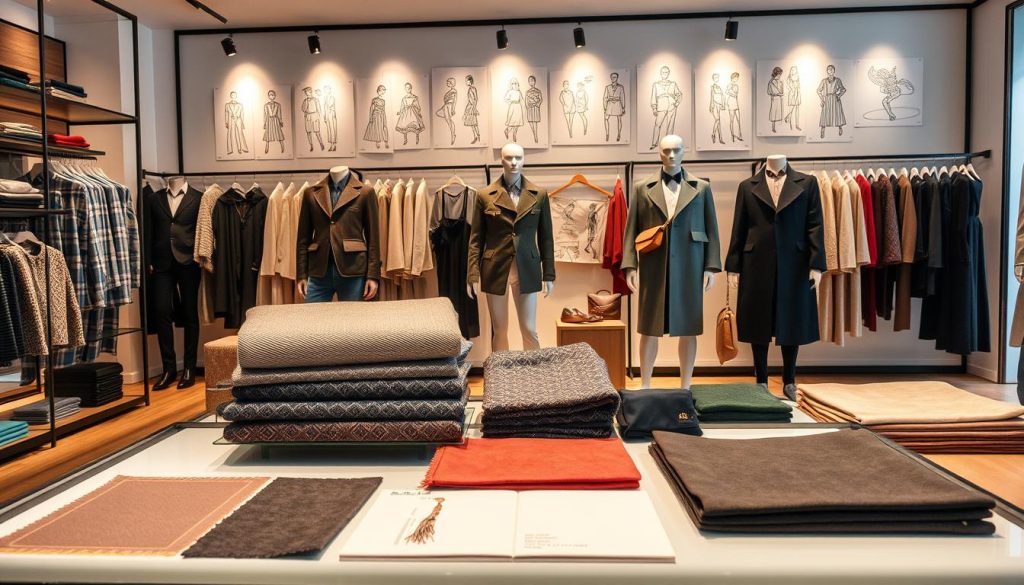
Germany is a big name in global fashion. It mixes traditional craftsmanship with cutting-edge innovation. German fashion houses are known for their quality and precision.
These brands offer everything from luxury clothes to sportswear. They focus on both style and sustainability. Their products last a long time.
In this guide, we look at both established heritage labels and contemporary innovators. We dive into what makes them leaders in the fashion world. This is useful for those in the fashion industry and anyone who loves good clothes.
This guide shows why German clothing brands are so special. It’s for those who want to learn about their business strategies or just appreciate their excellence. It helps you understand why they’re at the top.
Understanding How German Fashion Brands Achieve Industry Leadership
We look at what makes German clothing brands leaders in fashion. They excel in luxury menswear and sportswear. Their success comes from history, culture, and smart market moves. This is why German fashion shapes global trends and what people want.
The Historical Foundation of German Fashion Excellence
The start of German fashion heritage was after World War II. The textile industry helped the economy grow. In the 1950s and 1960s, German makers set high standards for durability and function.
This focus on quality made German brands reliable. It set them apart from others. Big fashion names grew from these strong beginnings.
Key Characteristics That Define German Clothing Brands
German fashion brands stand out for quality craftsmanship. They use skilled workers and top materials. This makes their clothes last long and perform well.
German fashion is known for being functional yet elegant. It has clean designs and lasts forever. They also care about the environment and making things ethically.
Current Market Position in the Global Fashion Industry
Now, German fashion brands have a big share in many areas. European clothing brands face tough competition. But German ones stay ahead with new ideas and a strong reputation.
They do well in sportswear and luxury menswear. Brands like Adidas and Hugo Boss lead the way. People want what German brands offer: quality, sustainability, and timeless style.
Step 1: Prioritising Quality and Craftsmanship
The first step to fashion excellence is a strong focus on quality. German brands stand out by focusing on quality over quantity. This approach justifies higher prices and builds lasting customer loyalty.
German fashion houses have strict systems for quality. These systems make sure every product meets high standards. This helps protect the brand’s reputation.
Implementing Rigorous Quality Control Standards
We check clothes at key stages of production. Each check looks at different parts of the garment. This way, we catch any problems before they reach customers.
Top brands set their own quality standards, often higher than international rules. These standards cover:
- Seam strength testing to ensure durability under stress conditions
- Colour fastness verification across multiple washing cycles
- Dimensional stability checks that prevent unwanted shrinkage
- Hardware functionality assessment for zippers, buttons, and closures
Selecting Premium Materials and Fabrics
We choose premium fabrics from trusted suppliers. We look at many factors like fibre type and weave. German brands also check suppliers’ facilities to ensure quality and ethics.
Working closely with suppliers means we get new materials and keep our supply chain open. We pick fabrics that last, feel good, and look great, matching our brand and what customers want.
Training and Retaining Skilled Artisans
We invest in artisan training to keep traditional skills alive. Our apprentices learn for three to four years, getting both classroom and practical experience. They learn skills that machines can’t do.
We keep our artisans happy with good pay, clear career paths, and a supportive work environment. We see them as key to our quality. This is different from models that focus on machines over people.
Step 2: Integrating Sustainable Manufacturing Practices
Sustainability is key for German clothing brands to stay ahead in a market that cares more about the planet. They go beyond just following rules to show they care about the environment. German fashion companies use sustainable fashion in all they do, often doing more than what’s expected.
This makes them leaders in making clothes responsibly. They know today’s shoppers want to know how their clothes are made. They want quality and to know the story behind it.
Adopting Eco-Friendly Production Methods
German brands use eco-friendly clothing production to cut down on harm to the environment. They focus a lot on saving water, using new dyeing methods that use almost no water. They also recycle most of the water they use, which is a big step forward.
More and more factories are using green energy like solar and wind power. This cuts down on pollution from fossil fuels. They also avoid harmful chemicals, using safer ones that are better for people and the planet.

They also work hard to reduce waste. New software helps cut down fabric waste, and they recycle what’s left. They even use biodegradable packaging to ship clothes, making their whole process greener.
Creating Circular Fashion Business Models
The circular fashion economy is changing how we buy clothes. German brands are leading the way with programmes that let customers return clothes for recycling or reuse. This creates a loop where clothes can be used again and again.
They design clothes to be easy to take apart at the end of their life. This makes recycling easier and turns old clothes into new ones. It’s a smart way to use resources over and over.
They also offer clothes for rent or subscription. This way, people can enjoy fashion without owning it. It’s good for the planet and keeps customers coming back for more.
Transparent Supply Chain Management
German clothing brands are very open about where their clothes come from. They check their suppliers, get third-party checks, and share where they make their clothes. This builds trust with customers and shows they care about making clothes the right way.
They use systems to track where materials come from and where clothes end up. They use technology to prove their claims. This lets customers know exactly what they’re buying.
This openness helps them find and fix problems. They work with suppliers to improve things together. It’s a way to make the whole industry better.
| Sustainability Initiative | Implementation Method | Environmental Impact | Business Benefit |
|---|---|---|---|
| Waterless Dyeing Technology | CO₂-based dyeing systems | 95% water reduction per garment | Lower production costs, faster processing |
| Circular Fashion Models | Take-back and resale programmes | Extended product lifecycles by 300% | New revenue streams, customer loyalty |
| Renewable Energy Integration | Solar and wind power installations | 60-80% carbon emission reduction | Energy cost stability, brand reputation |
| Supply Chain Transparency | Digital traceability platforms | Improved ethical standards monitoring | Enhanced consumer trust, risk mitigation |
Hugo Boss: Building a Global Menswear Empire
Hugo Boss, based in Metzingen, Germany, has grown into a global fashion leader. It shows how a brand can grow from a local maker to a world-famous label. We look at how Hugo Boss stays at the top by expanding and improving its brand.
The brand mixes old traditions with new ideas to make clothes that today’s men want. This mix helps Hugo Boss stand out in the competitive world of luxury fashion. Its success teaches lessons to those wanting to build lasting fashion businesses.
From Metzingen to International Markets
Hugo Boss started going global by teaming up with other brands and opening shops in big cities. It opened flagship stores in London, Paris, New York, and more. This careful plan helped Hugo Boss keep its high standards while growing.
The brand chose markets where people value high-quality and stylish clothes. It now has shops in Europe, North America, and Asia. Hugo Boss made sure its products were always available and felt exclusive, like luxury brands should.
Sophisticated Design Philosophy and Brand Identity
The design focus is on refined elegance and modern masculinity. Hugo Boss is for men who want to look professional but not too flashy. This appeals to business people and city lovers.
The brand’s message is the same everywhere, making it well-known and trusted. Its look is simple, with neutral colours and top-notch finishes. Even though it adapts to local tastes, it stays true to its core style.
Diversification Across Product Lines
Hugo Boss has grown beyond just formal wear. It now offers many types of products to reach more people. This move has helped the brand stay strong even when the market changes. We see how different lines meet different needs.
Tailoring Excellence
The brand is known for outstanding tailoring and quality in its suits. Every suit is checked carefully to fit perfectly. It uses old techniques and new tech to make suits that look great and last long.
The choice of materials is top-notch, like Super 120s wool and cashmere. The suits are made to last, thanks to full canvas interlinings. These details are worth the extra cost for luxury clothes.
Contemporary Casual Collections
Hugo Boss has also made casual lines that keep the brand’s high status. The BOSS Casual and Hugo lines mix sporty looks with fancy details. They attract younger buyers and those who want clothes for different occasions.
By adding casual lines, Hugo Boss shows it can change without losing its essence. Its modern pieces use new fabrics and colours. This mix of old and new has helped the brand reach more people.
| Product Category | Target Customer | Key Features | Price Position |
|---|---|---|---|
| BOSS Tailoring | Business professionals aged 35-55 | Full canvas construction, premium wool fabrics, classic cuts | Premium (£600-£1,200) |
| BOSS Casual | Urban professionals aged 30-50 | Smart-casual designs, quality cottons, versatile styling | Mid-luxury (£150-£400) |
| Hugo Collections | Fashion-forward consumers aged 25-40 | Contemporary fits, trend-responsive designs, accessible luxury | Accessible luxury (£80-£250) |
| BOSS Sportswear | Active lifestyle consumers aged 28-45 | Technical fabrics, athletic-inspired designs, functional details | Mid-luxury (£100-£350) |
Adidas: Leading Innovation in Sportswear and Lifestyle
Adidas is a leader in sportswear innovation, blending technology and style. This German brand is among the most valuable sportswear brands worldwide. It invests in research and partnerships, focusing on athletic clothing innovation.
Adidas balances performance with fashion, standing out in the competitive market.
Technology-Driven Product Development
Adidas spends a lot on research to improve performance for athletes and everyday people. Its innovation centres work on biomechanics and material science. This helps create products that enhance athletic ability.
This scientific approach sets Adidas apart in the performance apparel market.
Boost Technology and Performance Innovation
Adidas’s Boost cushioning technology is a game-changer. It was developed with BASF and uses thousands of energy capsules for better energy return. This technology has changed running shoes by providing responsive cushioning that works in different temperatures.
Adidas has used Boost in basketball, football, and lifestyle shoes. This shows how one innovation can benefit many products.
Sustainable Material Research
Adidas works with Parley for the Oceans to use ocean plastic in its products. This shows the brand’s commitment to the environment. Millions of shoes have been made from this plastic, proving sustainability and performance can go hand in hand.
Strategic Collaborations with Designers and Athletes
Adidas partners with designers and athletes to boost its cultural appeal. The Yeezy collaboration with Kanye West was a huge success. It introduced Adidas to fashion lovers beyond sports fans.
Partnerships with Pharrell Williams and Stella McCartney also brought new ideas. These collaborations create limited-edition items that are highly sought after.
Expanding Beyond Sport into Lifestyle Fashion
Adidas has moved into athleisure fashion, making clothes for style, not just sports. Its iconic three-stripe design is popular in streetwear. This move taps into the market for comfortable, functional, and stylish everyday clothes.
Adidas stays true to its athletic roots while appealing to fashion lovers. This balance helps the brand succeed in both sports and lifestyle markets.
Puma: Merging Athletic Performance with Street Style
Puma is known for blending real athletic heritage with modern street style. This German sportswear giant has found a unique spot in the athletic streetwear market. It balances performance with fashion, appealing to those who love both.
Origins in Athletic Innovation
The Puma story starts with the Dassler family split in 1948. Rudolf Dassler founded Puma after a split from his brother Adolf, who started Adidas. This rivalry made Puma and Adidas two of the most famous sports fashion brands in Herzogenaurach, Germany.
Puma focused on speed sports like track and field, football, and motorsports. This gave the brand real athletic credibility. It also developed new footwear technologies and partnered with top athletes to prove its technical skills.
Embracing Bold Design and Exclusivity
Puma stands out with fashion-forward collections that break the mold of traditional sportswear. It tries new colours, shapes, and collaborations that spark conversations. This makes Puma a trendsetter in athletic streetwear, not just a follower.
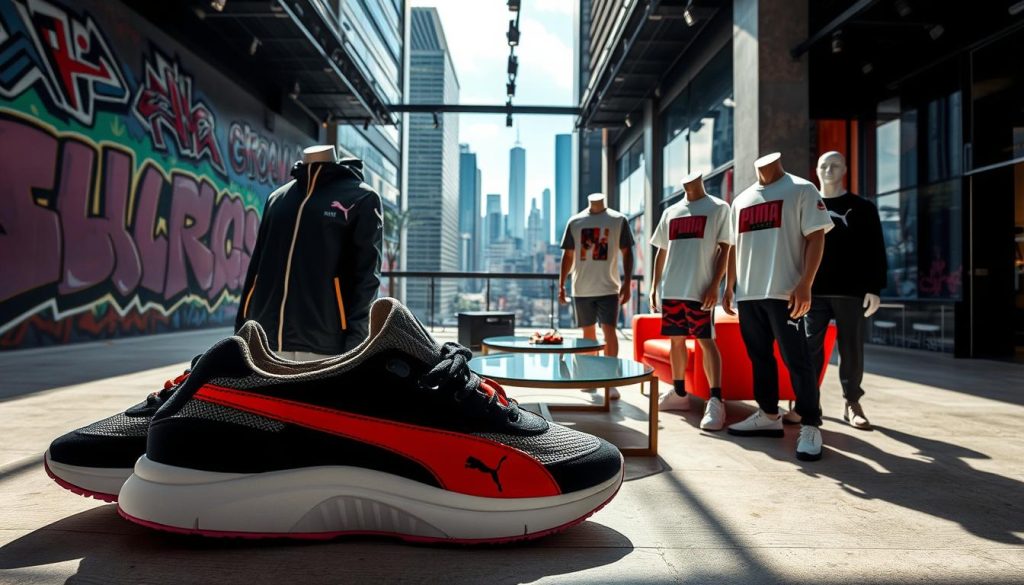
Limited edition clothing is key to Puma’s marketing. It creates a sense of urgency that boosts demand. These exclusive items get a lot of social media buzz, making Puma cool for young people who love unique fashion.
Strategic Celebrity and Cultural Partnerships
Puma picks ambassadors who are both athletic and culturally influential. The brand works with musicians, designers, and icons who connect with its audience. This approach shows Puma’s role at the crossroads of sport and lifestyle.
Collaborations with Rihanna and Other Icons
The partnership with Rihanna as Creative Director for Fenty Puma was a game-changer for Puma’s fashion reputation. Launched in 2014, it brought runway shows and sold-out products. The Fenty partnership opened up new markets and got Puma a lot of media attention.
Puma has also worked with Selena Gomez, Jay-Z, and fashion designers. These partnerships show Puma’s commitment to staying relevant while keeping its athletic roots. This balance attracts a wide range of consumers.
Jil Sander: Pioneering Minimalist Luxury Fashion
Jil Sander is a leading name in minimalist fashion, turning it into a luxury trend worldwide. This German fashion house changed the game by focusing on quality over show. It has shaped our view of luxury and elegance in fashion.
Started in Hamburg in 1968, Jil Sander stood out by not using big logos. Instead, it offered a quieter luxury that showed in the quality of its clothes. This approach drew people who loved real, high-quality fashion.
Pure Design Philosophy and Aesthetic Principles
Jil Sander believes in perfection through simplicity, not adding too much. This is seen in their impeccable tailoring, where the cut and construction show luxury. They avoid too much decoration, letting the fabric and shape speak for themselves.
The brand is known for its clean lines and simple colours. They use neutral tones and monochrome to highlight the beauty of the clothes. This approach makes their designs timeless, not just for one season.
They choose the finest materials, letting the natural beauty of the fabric shine. This shows that true luxury is in the quality of the materials, not in fancy details.
Shaping Contemporary Minimalist Trends
Jil Sander’s influence is seen everywhere in fashion, from new designers to big names. Their minimalist style has become a key part of modern fashion.
Even budget-friendly stores have adopted some of Jil Sander’s minimalist ideas. This shows how appealing simple, well-made designs are to everyone. Their influence goes beyond clothes, into home decor and design too.
Many designers talk about Jil Sander when discussing design integrity and restraint. They showed that luxury can be subtle, not just about being flashy. This changed how we see luxury fashion.
Navigating Ownership Transitions and Brand Identity
Jil Sander has had many changes in ownership, testing its ability to stay true to its roots. These changes were big challenges for a brand that relies on its founder’s vision. Jil Sander’s own comings and goings made the brand’s identity waver.
At times, the brand’s direction strayed from its minimalist roots. This showed how important it is to keep the core values alive, even with new leaders. Recent changes aim to keep the brand’s essence while making it relevant today.
The brand’s current direction shows how to evolve without losing its soul. It balances respecting its history with meeting today’s fashion needs. This is a lesson for other luxury brands facing similar challenges.
| Period | Creative Leadership | Ownership | Design Characteristics |
|---|---|---|---|
| 1968-1999 | Jil Sander (Founder) | Independent | Pure minimalism, monochromatic palettes, architectural silhouettes |
| 2000-2003 | Milan Vukmirovic | Prada Group | Softer approach, increased colour, commercial accessibility |
| 2005-2013 | Jil Sander (Return), Raf Simons | Prada Group / Change Capital Partners | Return to minimalist roots, refined proportions, contemporary edge |
| 2017-Present | Luke and Lucie Meier | Onward Holdings | Balanced minimalism, wearability focus, sustainable practices |
The brand’s journey shows that a strong design philosophy can outlast individual creators. Its aesthetic principles have become a lasting asset. This success comes from staying true to its values while evolving in a way that respects its roots.
Step 3: Leveraging Technology for Competitive Advantage
German fashion houses see the value in using new technology. They use it to improve every part of their business. This includes making things more efficient and keeping the high quality Germany is known for.
Technology does more than just automate tasks. It changes how brands design, make, sell, and talk to customers.
Implementing Digital Manufacturing and 3D Design
Digital manufacturing brings new levels of precision and efficiency. German brands use automated cutting systems to cut down fabric waste. These systems can save up to 15% of fabric compared to old methods.
3D fashion design software lets designers work on virtual clothes. This means they can test and refine designs without making physical samples. It saves money and time, and is better for the environment.
Computerised knitting machines make seamless clothes with less waste. Digital printing lets brands customise clothes without using lots of water. These new ways of making clothes help businesses and the planet.
Building Seamless E-Commerce Experiences
Fashion e-commerce is now a key part of sales for German brands. They invest in websites that are easy to use and show products well. They also focus on fast delivery.
They use size recommendation tools to help customers choose the right size. This reduces the number of returns. Shopping online and in stores works together, making shopping better for everyone.
Using Data Analytics for Customer Insights
Customer data analytics turns information into useful insights. German brands use this to make better marketing, products, and manage stock. They learn what customers like and what they buy.
They use fashion technology to understand customers better. This helps them offer more personal shopping experiences. Happy customers spend more and stay loyal.
| Technology Application | Primary Benefit | Implementation Complexity | ROI Timeline |
|---|---|---|---|
| Automated Cutting Systems | 15% Material Waste Reduction | Medium | 12-18 Months |
| 3D Virtual Sampling | 60% Faster Product Development | High | 6-12 Months |
| Omnichannel Platforms | 35% Higher Customer Retention | High | 18-24 Months |
| Predictive Analytics | 25% Inventory Optimisation | Medium | 9-15 Months |
Choosing the right technology is key for success. German brands pick solutions that fit their goals and keep their quality high. This way, they stay ahead in the fashion world.
Escada: Establishing Feminine Luxury and Elegance
Founded in Munich in the 1970s, Escada became a leader in luxury womenswear. Margaretha and Wolfgang Ley aimed at confident women who love unique style. Their bold fashion quickly made the brand famous.
Brand Heritage and Signature Aesthetic
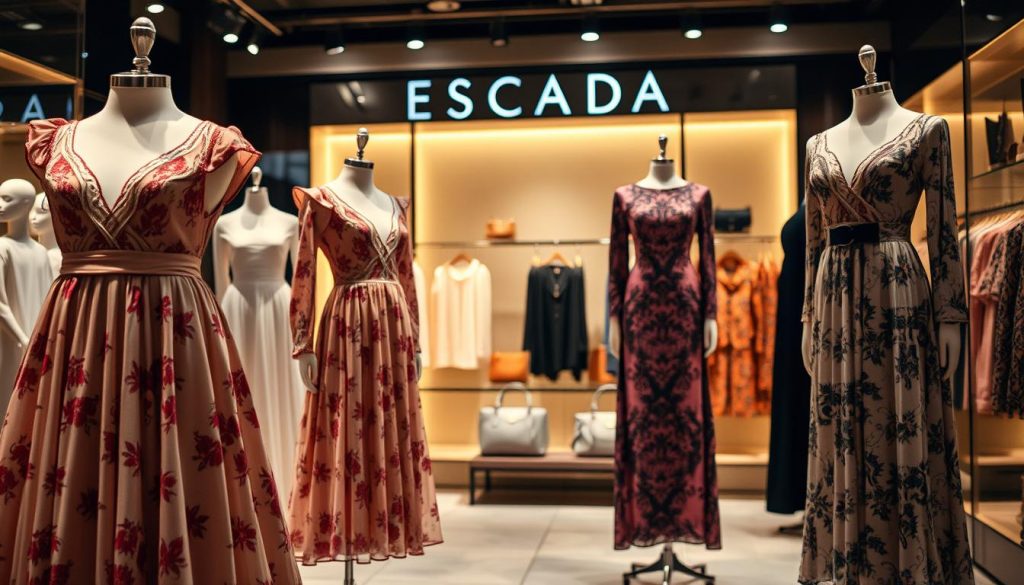
Escada’s look is bold yet refined, setting it apart from others. It’s known for vibrant colours, unique prints, and top-notch fabrics. Every piece is tailored to perfection, making a statement.
This consistent style has made Escada well-known over the years. People instantly spot Escada’s bold take on luxury. It’s for women who love colour and pattern, not just simple designs.
Target Market and Positioning Strategy
Escada aims at wealthy women who value quality and elegant fashion more than following trends. It offers real luxury at prices that are more accessible than haute couture. This balance is key to its success.
Escada really speaks to mature, successful women who want timeless elegance. They look for pieces that last, not just follow the latest trends. Escada builds strong bonds with these customers, who keep coming back for more.
Product Range from Ready-to-Wear to Accessories
The Escada range goes beyond just clothes to offer a full luxury lifestyle. This broadens the brand’s appeal across different areas:
- Ready-to-wear collections: From evening wear to casual, all with a consistent look
- Handbags and leather goods: Unique designs with premium materials
- Footwear: Shoes that match the clothes, with colours that tell a story
- Fragrances: Luxury scents that introduce new customers to the brand
- Jewellery and accessories: Bold pieces that show off the brand’s style
This wide range of products boosts sales and strengthens the brand’s image. Each item shows Escada’s dedication to elegant fashion and quality. It lets customers build a full wardrobe within the Escada world.
Step 4: Applying Precision Engineering to Fashion Design
The fourth step is to use Germany’s top engineering skills in fashion making. Precision in manufacturing makes German brands stand out. They focus on technical skill, not just looks.
German fashion uses industrial know-how to make clothes that work well. They use car and machine making methods to improve textiles and clothes making.
Developing Technical Textiles and Performance Fabrics
German brands work with scientists and engineers to make technical textiles. These are made to meet real needs. They test and improve these materials a lot.
- Moisture-wicking materials that keep you dry
- Temperature-regulating fabrics that keep you comfy
- Stretchy fabrics that stay the same after many wears
- Durable water-repellent treatments that keep you dry
These performance fabrics are tested a lot. They check things like strength and colour fastness before making them.
Implementing German Engineering Principles
Engineering principles are used in fashion, from start to finish. They make sure designs turn into real products. They also check quality all the time.
German brands use methods from making things to improve. They think about how parts work together. This stops problems before they start.
Maintaining Consistent Quality Across Production Runs
Keeping quality consistent is hard in fashion, with fast changes. German brands have strict rules for making things. They check suppliers to make sure they meet high standards.
They watch important numbers during making. They check the final product to make sure it’s good. This precision manufacturing makes customers trust the brand.
How Leading Clothing Brands Expand Internationally
German clothing brands must tackle complex market challenges while keeping their brand true to form. They use research to guide their growth across borders. This approach balances the chance for growth with the need to manage risks.
Market Research and Entry Strategies
Deep market analysis is key to entering international fashion markets. German brands spend a lot on studying their target markets before expanding. This research shapes all their strategic moves.
We find five key research areas for market entry planning:
- Market size and growth: Looking at current demand and future growth
- Competitive analysis: Checking out competitors, their market share, and gaps
- Consumer behaviour: Studying how people shop, what they pay, and where they buy
- Regulatory environment: Checking import rules, labelling standards, and trade barriers
- Distribution infrastructure: Examining logistics, retail presence, and online shopping
Entry strategies depend on the market and the brand’s goals. Some German brands open their own stores. Others choose franchise partnerships to use local knowledge while keeping quality high.
Adapting to Regional Preferences Whilst Maintaining Brand Identity
It’s a big challenge to adapt to local tastes without losing the brand’s essence. Consumer tastes vary greatly, so brands must adapt carefully.
German brands tweak their products for local tastes in colours, shapes, and timing. They adjust sizes to fit different body types. Marketing messages are made to fit local cultures but keep the brand’s look consistent.
Building Distribution Networks and Retail Partnerships
Having a strong global retail network is vital for good market service. We set up logistics systems for storing, moving, and managing stock. This ensures products get to customers on time and saves money.
Working with retailers can be a smart move without the big cost of owning stores. German brands pick partners based on brand fit, reach, efficiency, and financial health. They set clear goals and check progress to keep quality high.
Bogner: Defining Luxury Sportswear ince 1932
Bogner started as a Munich ski outfitter and grew into a global luxury sportswear brand. It shows how mixing performance with prestige works. The brand has stayed relevant for 90 years by innovating and keeping its alpine expertise.
It balances technical skill with stylish looks, making it stand out in the premium athletic wear market.
Alpine Heritage and Ski Fashion Innovation
Willy Bogner Sr. started modern ski fashion in 1932. He introduced innovations that changed mountain sports dressing. The brand created stretch fabrics and the first zip-off sleeves for skiing.
These innovations met real performance needs and made ski clothes look better.
Bogner is deeply connected to alpine sports, sponsoring Olympic athletes and national teams. This builds trust with customers. The brand’s history and presence at ski resorts worldwide show its authority in mountain fashion.

Transitioning from Performance to Lifestyle Luxury
Today, Bogner collections go beyond just athletic wear. They’re made for stylish urban wear, appealing to those who love alpine looks in everyday life. This shift needed careful management to keep the brand’s performance image while attracting new customers.
Bogner’s products are seen as status symbols in exclusive resorts and cities. The brand keeps its technical edge with some lines while focusing on style in others. This way, Bogner meets the needs of serious skiers and fashion lovers alike.
Maintaining Exclusivity in Competitive Markets
Bogner uses several strategies to stay exclusive in the luxury sportswear market. It controls its market presence through selective distribution channels, premium pricing, and limited production. This approach keeps the brand’s prestige high, attracting wealthy customers.
The challenge is growing the business without losing exclusivity. Bogner expands carefully, opening boutiques in select places. This shows that keeping exclusivity means being disciplined and avoiding quick gains that could harm the brand’s value.
| Strategic Element | Implementation Approach | Market Impact | Competitive Advantage |
|---|---|---|---|
| Heritage Positioning | Emphasising 90+ years of alpine expertise and innovation history | Creates authentic brand narrative that builds consumer trust | Newer brands cannot replicate genuine historical credentials |
| Product Diversification | Expanding from ski-specific items to lifestyle luxury collections | Broadens customer base beyond active skiers to fashion consumers | Maintains technical authority whilst capturing lifestyle market share |
| Distribution Control | Selective retail partnerships and brand-owned boutiques | Preserves exclusivity and prevents brand dilution | Protects premium pricing power and luxury positioning |
| Price Architecture | Premium pricing strategy with minimal promotional activity | Signals quality and exclusivity to target affluent consumers | Higher margins enable investment in quality and innovation |
Essential Business Infrastructure for Fashion Brand Success
To succeed in fashion, you need more than just creativity. You also need a strong business setup that helps you grow and work well. Entrepreneurs starting in fashion need business services like legal help, financial systems, and tech platforms. The right start-up helps your brand grow and compete well.
Starting a fashion business is complex. You have to think about legal protection, taxes, and how flexible you can be. Choosing the right infrastructure lets you focus on design and marketing. It also keeps you in line with laws and finances.
Company Formation and Corporate Structure with LerriHost
Choosing the right legal structure is key for fashion entrepreneurs. LerriHost helps with this by guiding you through setting up your business. The right structure protects your assets, saves on taxes, and helps with future funding.
Fashion businesses can be many things like sole traders, partnerships, or companies. Each has its own benefits like protection, rules, and growth chances. Companies are popular for growing because they keep personal and business money separate.
LerriHost helps you pick the best structure for your needs, risk level, and goals.
Nominee Services for International Entrepreneurs
International entrepreneurs in the UK can use nominee services. These offer a UK address and a director to act on your behalf. LerriHost’s nominee services help you set up a real business in the UK.
Banking and Payment Processing Solutions
Good financial systems are key for smooth transactions and happy customers. Payment processing systems are important for sales and reaching customers worldwide.
Merchant Accounts for Fashion E-Commerce
Merchant accounts let you accept payments online. Fashion businesses need systems that handle lots of transactions, protect against fraud, and have good fees. The right account affects your e-commerce infrastructure.
International Payment Systems
Global fashion brands need payment systems that take many currencies and local payment methods. These systems help you reach more customers worldwide. LerriHost connects you with the right financial services for international trade.
Financial Services and Business Planning
Good financial management is essential. This includes accounting software, forecasting tools, and funding plans. LerriHost introduces you to financial advisors who understand the fashion industry.
Building Your Digital Presence
Fashion brands need a strong digital presence to show off their products and attract customers. A well-designed website gives you an edge in the online market.
WordPress Design and Redesign Services
LerriHost offers WordPress design that makes your website look great and work well. Custom designs match your brand and make shopping easy. Redesigns keep your site up-to-date and functional.
SEO for WordPress to Reach Your Target Market
SEO makes your website more visible and attracts the right visitors. LerriHost does SEO work like keyword research and content creation. Good SEO puts your brand at the top of search results.
WordPress Maintenance and Web Hosting Solutions
Keeping your website running smoothly is important. LerriHost offers WordPress maintenance and web hosting. This ensures your site loads fast and stays up, protecting your digital presence.
Contact LerriHost at 07538341308 for Complete Support
For all the help you need to set up your fashion brand, contact LerriHost at 07538341308. We offer expert advice on setting up your business, finances, and digital presence.
Step 5: Developing Effective Brand Marketing Strategies
Investing in marketing turns quality products into brands that stand out. Fashion marketing strategies include storytelling, digital engagement, and events. German clothing brands use these to connect with their heritage and customers.
Crafting Compelling Brand Narratives
Brand storytelling links products to values and dreams that people can relate to. German brands share stories of craftsmanship, innovation, and sustainability. These stories must match what the brand does to stay true.
Good brand positioning tells stories that make a brand stand out. Stories about founders, artisans, and how products are made engage people. Customer feedback and content from users add to the brand’s story and build a community.
Utilising Influencer Marketing and Brand Ambassadors
Influencer marketing uses trusted voices to reach people. We choose influencers who match our brand’s values. This makes partnerships feel real, not just about making money.
Choosing the right influencers is key. We look for those who have real conversations with their followers. Working with influencers lets them share our brand’s story in their own way.
Creating Memorable Fashion Shows and Events
Great fashion events get people talking and show off what we do. We plan events that are memorable and get media attention. This includes everything from small showroom events to big shows.
Our marketing goals should match our business goals. We track how well our marketing works to make it better. Events that leave a lasting impression turn people into brand fans who share our story.
The Future Trajectory of German Fashion Excellence
German clothing brands are well-placed as trends in the fashion industry evolve. They focus on quality, sustainability, and innovation. This sets a solid base for facing future challenges and opportunities.
The future of fashion will be about sustainable clothes and digital innovation. German brands are already at the forefront. Adidas works on biodegradable materials, and Hugo Boss makes supply chains transparent. These steps help them meet stricter environmental rules and consumer demands.
Digital changes how brands talk to customers. Virtual fitting rooms and AI design tools are key. German engineering gives them an edge. We expect Puma and Bogner to improve their online shopping experiences.
But, there are challenges like fast fashion and changing customer bases. German brands must keep their heritage while innovating. This way, they can attract young customers while keeping their loyal fans.
We’re hopeful about German fashion’s future. Their mix of manufacturing skill, eco-friendly practices, and tech makes them strong. They balance tradition with modernity, staying relevant worldwide. German fashion will continue to influence trends, bringing style, quality, and sustainability to the forefront.